Informazioni sulle Storie di Inclusione
Informazioni
Riflessione come Strumento per lo Sviluppo Professionale
Il Storie di Inclusione progetto è un'iniziativa multinazionale Erasmus+ che coinvolge otto organizzazioni provenienti da Svezia, Ungheria, Finlandia, Grecia, Italia e Portogallo. La nostra missione è dimostrare che l'istruzione inclusiva è realizzabile, anche in circostanze difficili, fornendo agli educatori la fiducia e le strategie pratiche di cui hanno bisogno.
Utilizzando la metodologia del Cambiamento Più Significativo (MSC), catturiamo le storie umane della pratica inclusiva in sei nazioni europee. Questa "Galleria Vivente" funge da Riflessione come Strumento per lo Sviluppo Professionale, sfruttando multimedia, note vocali e commenti di esperti per colmare il divario tra teoria astratta e la realtà vissuta in aula.
Attraverso la mappatura interattiva e Meta-Riflessione, gli educatori sono invitati ad analizzare e affinare la propria pratica all'interno di una comunità transnazionale collaborativa.
Il nostro Credo
I Principi Guida per le Storie di Inclusione
L'inclusione è una parola e un concetto che porta molte associazioni. A volte queste associazioni si basano su esperienze personali, e a volte la comprensione dell'inclusione è un mero costrutto teorico con poche prove di come venga effettivamente realizzata nella vita reale. Vogliamo colmare il divario tra teoria e pratica evidenziando storie autentiche e vissute di inclusione.
Onoriamo la definizione dell'UNESCO dell'inclusione:
“L'inclusione nell'istruzione si riferisce a un approccio educativo che mira a fornire opportunità di apprendimento eque per tutti gli studenti, indipendentemente dalle loro origini o abilità. Questo quadro sottolinea l'importanza di soddisfare le diverse esigenze all'interno della classe, promuovendo un ambiente in cui ogni studente possa partecipare pienamente. L'istruzione inclusiva promuove l'integrazione sociale e valorizza i contributi di tutti gli individui nel processo di apprendimento.”
And the vision expressed by the European Agency for Special Needs and Inclusive Education:
“Tutti gli studenti di qualsiasi età ricevono opportunità educative significative e di alta qualità nella loro comunità locale, insieme ai loro amici e coetanei.”
Le nostre storie di inclusione riguardano studenti individuali che hanno disabilità o affrontano circostanze che li rendono vulnerabili. Tuttavia, il nostro focus non è sulla disabilità o sulle sfide individuali, ma sui cambiamenti che devono avvenire affinché l'inclusione si realizzi.
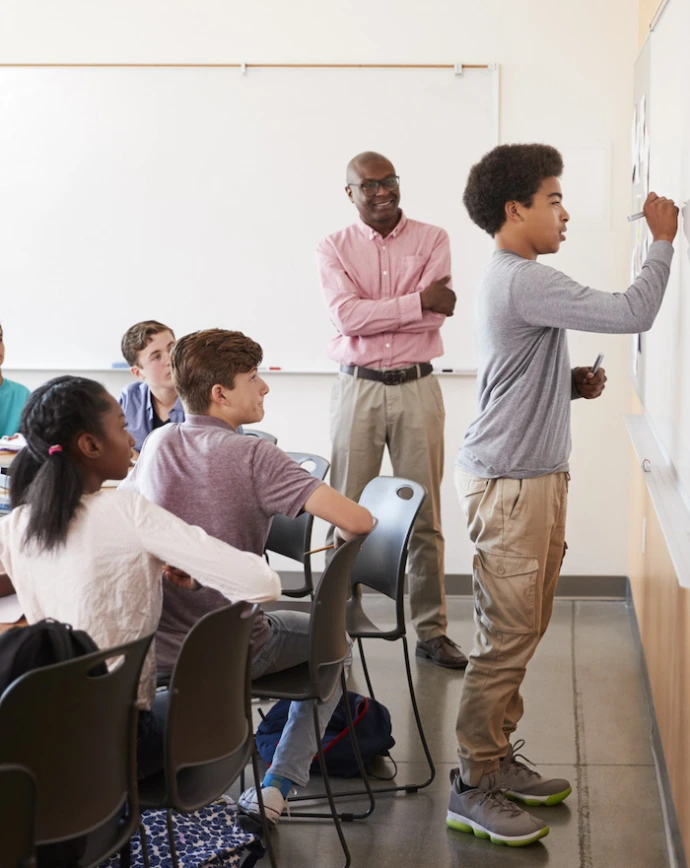
L'inclusione riguarda l'impegno di vedere il potenziale in tutti, compresi il personale, i genitori e i caregiver. Spostare l'attenzione dallo studente individuale a un ambiente di apprendimento condiviso progettato tenendo conto di tutti gli studenti fornisce il cambiamento essenziale per una vera inclusione. La sfida principale non è semplicemente comprendere gli studenti individuali. Riconosciamo che l'inclusione riguarda il supporto agli insegnanti affinché si assumano la responsabilità dell'apprendimento di tutti gli studenti simultaneamente; pertanto, la conversazione deve iniziare con l'insegnamento, non con lo studente. Nel momento in cui l'inclusione diventa una discussione su gruppi particolari di studenti, smette di essere una discussione sull'inclusione.
Pertanto, il nostro lavoro sulle storie di inclusione che raccogliamo è centrato sulla riflessione riguardo a cambiamenti significativi attraverso diverse prospettive e livelli: dal livello individuale alle strategie didattiche, all'organizzazione della scuola e alla comunicazione tra la scuola e i soggetti interessati più ampi.
I nostri processi riflessivi ci hanno aiutato a creare un insieme di credenze fondamentali che ci porteranno attraverso il progetto e oltre:
Crediamo
We believe in the power of authentic stories told by those who are at the centre of the experience.
We believe that inclusion is a process.
We believe that sustainable inclusion is rooted in the relational model (link). Having a clear theoretical foundation for our inclusive work is essential, and the relational model serves as that foundation.
We believe in empowerment: teachers, students, and stakeholders both inside and outside of schools can and should be empowered to advance inclusion.
We believe that teaching is about nurturing individuals within a collective environment.
We believe that the true challenge of inclusion is translating individual needs into collective teaching practices. Teachers must be part of this conversation so they can take ownership of universal instruction and assessment.
We believe that reflection and analysis are inclusive ways of learning that strengthen professional mastery.
We believe that reflection must be grounded in a clear model to guide thinking and open up space for constructive, challenging conversations.

Perché?
Why Inclusion Stories from the Classroom?
Across Europe, inclusive education is a shared ambition. Yet turning this ambition into everyday classroom practice remains a challenge.
Teachers work with increasingly diverse groups of learners, each bringing different strengths, experiences and needs to the classroom. While policies and frameworks can point towards inclusion, they cannot show exactly what it looks like in a particular classroom, with particular students, in particular circumstances. Many educators are therefore left asking a very practical question: How can we make inclusion work in everyday teaching?
Inclusion Stories from the Classroom was created to help bridge the gap between policy, theory and practice. Instead of presenting inclusion as an ideal or a fixed method, the project starts with the experiences of teachers and schools themselves.
By collecting and sharing authentic stories from classrooms across Europe, we want to make inclusive practice visible: the choices teachers make, the challenges they encounter, the strategies they try, and the changes that make a difference for students’ participation and learning.
The project is based on a simple but important idea: inclusion is possible, but it is a continuous process rather than a finished destination. By learning from real classrooms and from one another, educators can develop the confidence, knowledge and professional judgement needed to take the next step towards more inclusive education.
Through these stories, we aim to build not only a collection of examples, but a community for learning, reflection and change.Incontra i nostri educatori
Il Team delle Storie di Inclusione include insegnanti da tutta Europa:
- Svezia:Wallberg Education (Richiedente principale) – organizzazione di risorse
- Svezia:Kungsgårdsgymnasiet – scuola pubblica
- Finlandia:Scuola Albert Edelfelt, Porvoo – scuola pubblica
- Grecia:1ª Scuola Primaria di Vrilissia – scuola pubblica
- Ungheria:Scuola Primaria Deák Diák – scuola pubblica
- Italia:Istituto Comprensivo Octavia – scuola pubblica
- Portogallo:Agrupamento de Escolas Virgínia Moura – scuola pubblica
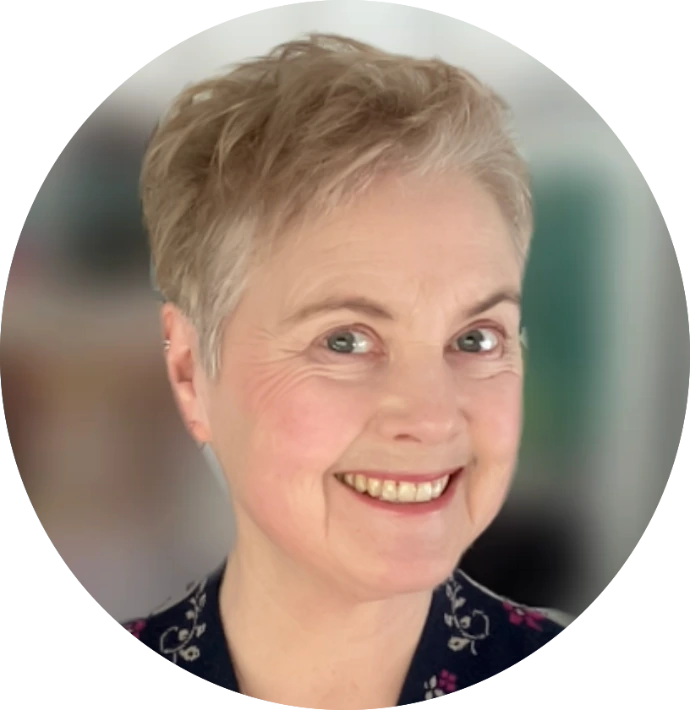
Helena Wallberg
Direttore del Progetto
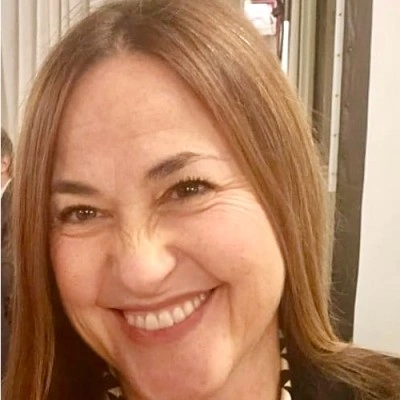
Simona D'Alessio, PhD
Preside
Simona è la preside di una scuola comprensiva a Roma (dalla PS1 all'ottava classe). È un'esperta nel campo dell'istruzione inclusiva, degli studi sulla disabilità nell'istruzione e dell'analisi delle politiche. Simona ha lavorato sia a livello nazionale che internazionale per supportare lo sviluppo di politiche e pratiche inclusive nelle scuole in tutta Europa e negli Emirati Arabi Uniti.
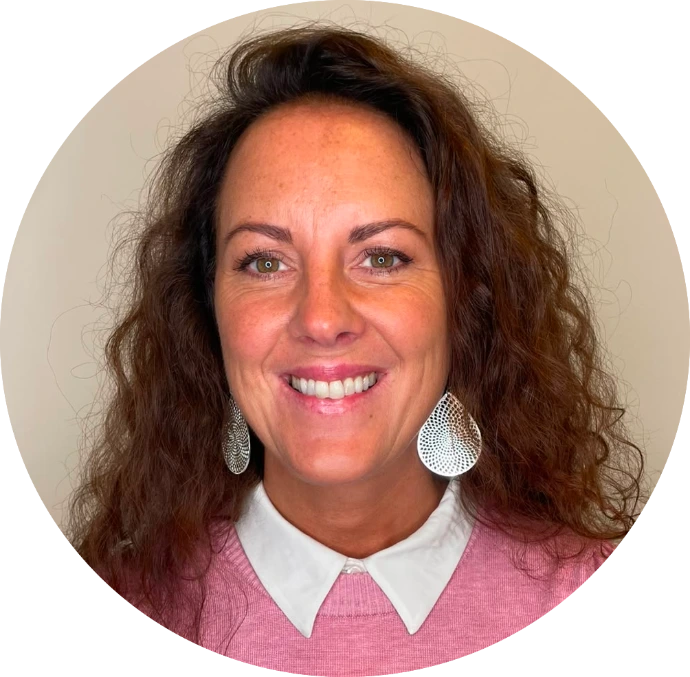
Cecilia Gleisner
Preside
Cecilia Gleisner serves as principal of a Swedish upper secondary school specialising in vocational education and training. The school prepares students aged 16 to 20 for careers as chefs, bakers, pastry chefs, restaurant service professionals, hairdressers, and hair and make-up stylists. Over recent years, the school has achieved significant improvements in student outcomes through a clear pedagogical vision and leadership that places inclusion at the forefront of educational practice. Prior to her current role, Cecilia worked as a pedagogical development leader at the municipal level, supporting both school leaders and teachers in their efforts to enable every student to reach their full potential.
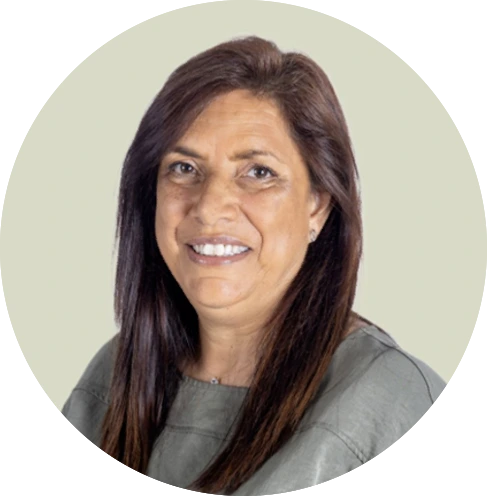
Rosária Carvalho
Geography Teacher and Project Coordinator
Georgia Giannakopoulou
School Principle, Coordinator of Erasmus+ programmes
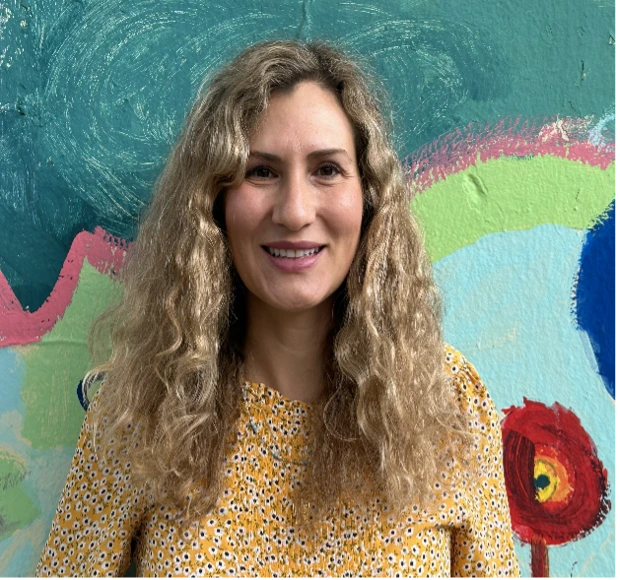
Christina Saiti
Special Educational Needs teacher
Janne Salmela
Preside
Farczádi-Bencze Tamás
Headteacher
Dávid Mészáros
Teacher
Ildikó Orbán
Deputy Headteacher
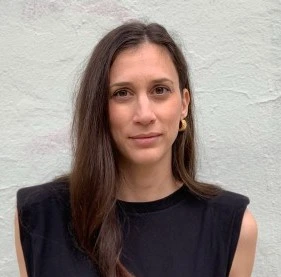
Eirini Papageorgiou
Social Worker
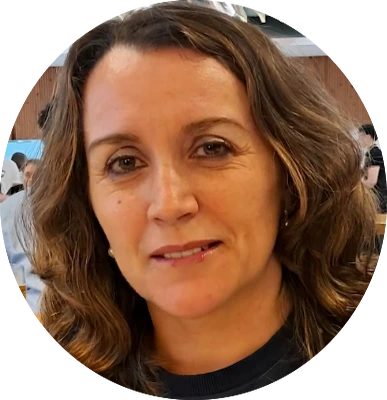
Celina Silva
English Teacher and and President of the General Council
In memoriam Vivien Gyuris
1975-2025
This is a celebration and commemoration of our team member Vivien who is no longer with us.
Vivien was the driving force behind this project. Without her, there would be no Inclusion Stories. Sadly, we lost her to a serious illness just before we started to collect our stories. Vivien had extensive experience in working internationally on inclusion matters. She had worked with the World Bank, the European Council on Roma inclusion, UNICEF on digital inclusion and countless other projects where her sharp intellect was an asset to the development of inclusion in different areas. She was studying to attain a PhD in inclusive education with a special interest in inclusion in our era of migration.
We worked together in an Erasmus project (The Emergence of the IFIP Europe) and quickly found common ground both personally and professionally. The idea for Inclusion Stories from the Classroom came about when we were discussing what it takes to make real change happen. Teacher training often starts with a concept or methods that are taught to teachers. There is nothing wrong with that, but we could both see stable outcomes when we start with what teachers already do as a springboard for reflection and change. What if we could gather inclusion stories, stories of how teachers and schools have worked to make change happen, and reflect on them from more perspectives? We knew from both studies and experience that there are ways we can learn from those challenging situations when everything looks like a new problem but is in fact a variation on a theme.
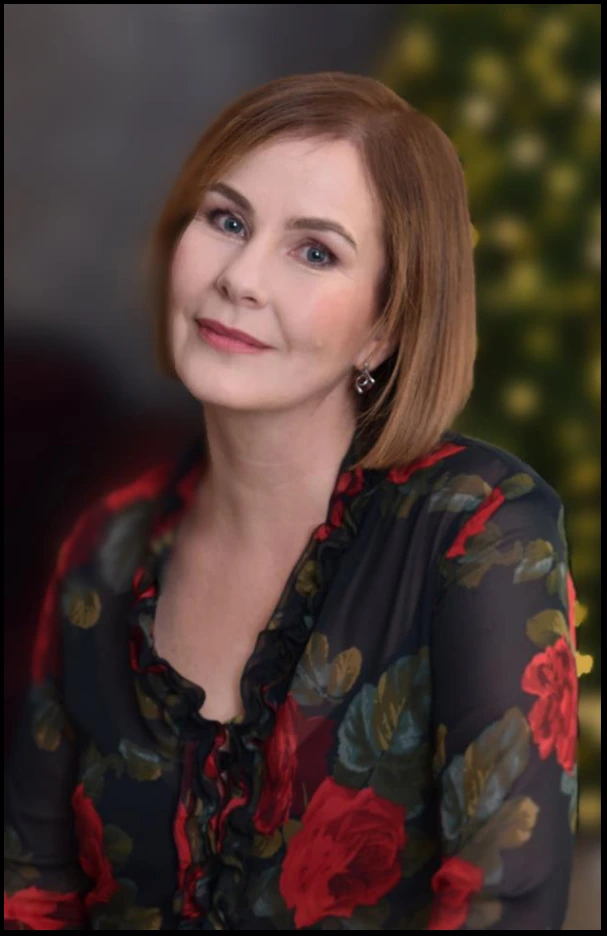
Vivien Gyuris
`We also discussed how we keep hearing anecdotes and stories of real inclusion experiences both from practitioners and students and parents. What if we could harness those stories and try out a way to use them for learning both in the school and in other schools? What if we could use the stories, not one by one, but as a collection of stories that together tell a bigger story about inclusion, specifically inclusion in Europe?
Vivien drafted a project plan and we were excited to work on it, adjust it, find suitable methods and refine it to apply for funding.
The consortium was a comfort, a tight knit group of inclusionists who all knew Vivien and wanted to carry on her vision. We set to work with energy and resolve. This is a project we all believe in, we could all see the potential from the start even if things weren’t completely clear from the get go.
It is sad to not be able to share the work that is being done in this project with Vivien. However, there is comfort in knowing that she would have loved the reflections that are taking place, the stories that are being shaped and the deepening insights.
This is for you, Vivi, it would not have come to life without you.
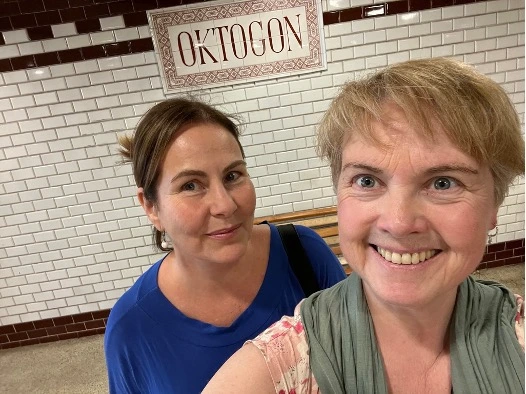
Vivien Gyuris with Project Founder Helena Wallberg