О включении историй
О
Рефлексия как инструмент профессионального развития
Проект Истории включения является многонациональной Erasmus+ инициативой, в которой участвуют восемь организаций из Швеции, Венгрии, Финляндии, Греции, Италии и Португалии. Наша миссия заключается в том, чтобы продемонстрировать, что инклюзивное образование достижимо, даже в сложных условиях, предоставляя педагогам уверенность и практические стратегии, которые им необходимы.
Используя методологию Наиболее значительное изменение (MSC), мы фиксируем человеческие истории инклюзивной практики в шести европейских странах. Эта "Живая галерея" служит Рефлексия как инструмент профессионального развития, используя мультимедиа, голосовые заметки и экспертные комментарии, чтобы преодолеть разрыв между абстрактной теорией и реальной жизнью в классе.
Через интерактивное картирование и Мета-рефлексию, педагогов приглашают анализировать и уточнять свою практику в рамках совместного транснационального сообщества.
Наше кредо
Руководящие принципы для историй включения
Инклюзия — это слово и концепция, которые несут в себе множество ассоциаций. Иногда эти ассоциации основаны на личном опыте, а иногда понимание инклюзии является лишь теоретической конструкцией с небольшим количеством доказательств того, как она на самом деле достигается в реальной жизни. Мы хотим преодолеть разрыв между теорией и практикой, подчеркивая подлинные, жизненные истории инклюзии.
Мы почитаем определение ЮНЕСКО инклюзии:
“Инклюзия в образовании относится к образовательному подходу, который направлен на предоставление равных возможностей для обучения всем студентам, независимо от их происхождения или способностей. Эта структура подчеркивает важность учета разнообразных потребностей в классе, создавая среду, в которой каждый учащийся может полностью участвовать. Инклюзивное образование способствует социальной интеграции и ценит вклад всех людей в процессе обучения.”
И видение, выраженное Европейским агентством по специальным нуждам и инклюзивному образованию:
“Все учащиеся любого возраста получают значимые, качественные образовательные возможности в своем местном сообществе, рядом со своими друзьями и сверстниками.”
Наши истории инклюзии касаются отдельных студентов, которые имеют инвалидность или сталкиваются с обстоятельствами, которые делают их уязвимыми. Однако наш акцент не на инвалидности или индивидуальных трудностях, а на изменениях, которые необходимо произвести для того, чтобы инклюзия состоялась.
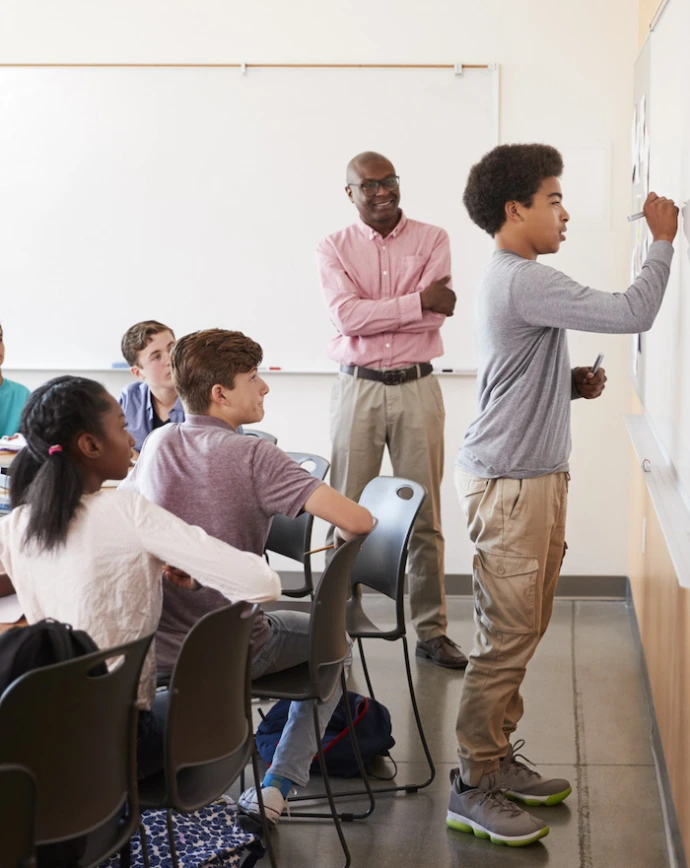
Инклюзия заключается в том, чтобы приложить усилия для того, чтобы увидеть потенциал в каждом, включая сотрудников, родителей и опекунов. Перемещение фокуса с отдельного студента на общее учебное окружение, созданное с учетом всех студентов, обеспечивает необходимый сдвиг для истинной инклюзии. Основная проблема заключается не просто в понимании отдельных студентов. Мы признаем, что инклюзия заключается в поддержке учителей в том, чтобы они одновременно несли ответственность за обучение всех студентов; следовательно, разговор должен начинаться с преподавания, а не со студента. В тот момент, когда инклюзия становится обсуждением конкретных групп студентов, она перестает быть обсуждением инклюзии.
Поэтому наша работа над историями инклюзии, которые мы собираем, это центрированная на размышлениях о значительных изменениях с разных точек зрения и уровней: от индивидуального уровня до учебных стратегий, организации школы и коммуникации между школой и более широкими заинтересованными сторонами.
Наши рефлексивные процессы помогли нам создать набор основных убеждений, которые будут сопровождать нас в проекте и за его пределами:
Мы верим
Мы верим в силу подлинных историй, рассказанных теми, кто находится в центре опыта.
Мы верим в то, что инклюзия — это процесс.
Мы верим в то, что устойчивая инклюзия укоренена в реляционной модели (ссылка). Наличие четкой теоретической основы для нашей инклюзивной работы имеет решающее значение, и реляционная модель служит этой основой.
Мы верим в расширение полномочий: учителя, студенты и заинтересованные стороны как внутри, так и вне школ могут и должны быть наделены полномочиями для продвижения инклюзии.
Мы верим что обучение заключается в воспитании индивидуумов в коллективной среде.
Мы верим что истинный вызов инклюзии заключается в переводе индивидуальных потребностей в коллективные практики обучения. Учителя должны быть частью этого разговора, чтобы они могли взять на себя ответственность за универсальное обучение и оценивание.
Мы верим что рефлексия и анализ являются инклюзивными способами обучения, которые укрепляют профессиональное мастерство.
Мы верим что рефлексия должна основываться на четкой модели, чтобы направлять мышление и открывать пространство для конструктивных, сложных разговоров.

Почему?
Why Inclusion Stories from the Classroom?
Across Europe, inclusive education is a shared ambition. Yet turning this ambition into everyday classroom practice remains a challenge.
Teachers work with increasingly diverse groups of learners, each bringing different strengths, experiences and needs to the classroom. While policies and frameworks can point towards inclusion, they cannot show exactly what it looks like in a particular classroom, with particular students, in particular circumstances. Many educators are therefore left asking a very practical question: How can we make inclusion work in everyday teaching?
Inclusion Stories from the Classroom was created to help bridge the gap between policy, theory and practice. Instead of presenting inclusion as an ideal or a fixed method, the project starts with the experiences of teachers and schools themselves.
By collecting and sharing authentic stories from classrooms across Europe, we want to make inclusive practice visible: the choices teachers make, the challenges they encounter, the strategies they try, and the changes that make a difference for students’ participation and learning.
The project is based on a simple but important idea: inclusion is possible, but it is a continuous process rather than a finished destination. By learning from real classrooms and from one another, educators can develop the confidence, knowledge and professional judgement needed to take the next step towards more inclusive education.
Through these stories, we aim to build not only a collection of examples, but a community for learning, reflection and change.Познакомьтесь с нашими педагогами
Команда Историй Инклюзии включает учителей со всей Европы:
- Швеция: Wallberg Education (Главный заявитель) – ресурсная организация
- Швеция: Kungsgårdsgymnasiet – государственная школа
- Финляндия: Albert Edelfelt School, Porvoo – государственная школа
- Греция: 1-я начальная школа Врилиссии – государственная школа
- Венгрия: Deák Diák Primary School – государственная школа
- Италия: Istituto Comprensivo Octavia – государственная школа
- Португалия: Agrupamento de Escolas Virgínia Moura – государственная школа
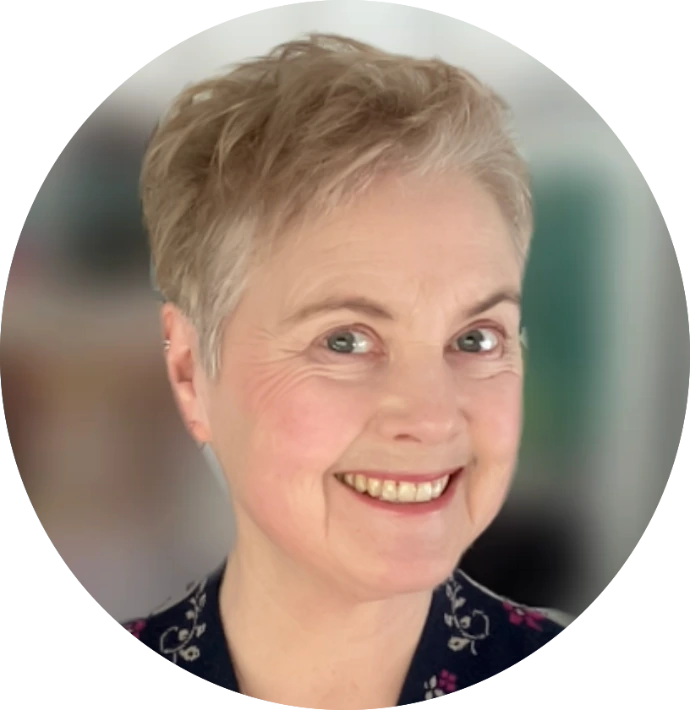
Хелена Уоллберг
Директор проекта
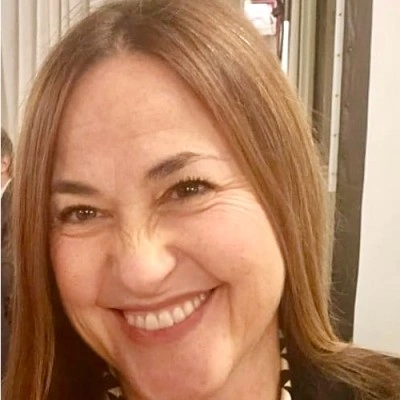
Симона Д'Алессио, доктор философии
Директор школы
Симона является директором комплексной школы в Риме (с 1 по 8 класс). Она является экспертом в области инклюзивного образования, исследований инвалидности в образовании и анализа политики. Симона работала как на национальном, так и на международном уровнях, чтобы поддержать развитие инклюзивных политик и практик в школах по всей Европе и в ОАЭ.
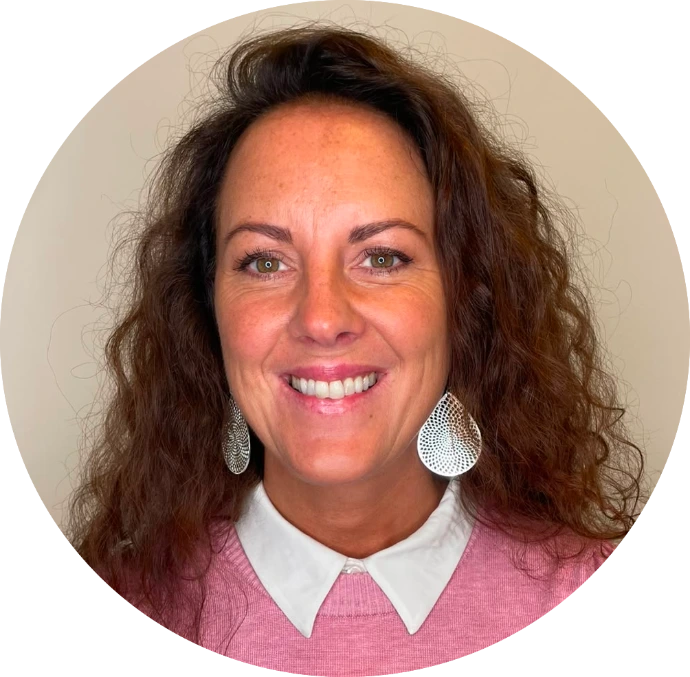
Cecilia Gleisner
Директор школы
Cecilia Gleisner serves as principal of a Swedish upper secondary school specialising in vocational education and training. The school prepares students aged 16 to 20 for careers as chefs, bakers, pastry chefs, restaurant service professionals, hairdressers, and hair and make-up stylists. Over recent years, the school has achieved significant improvements in student outcomes through a clear pedagogical vision and leadership that places inclusion at the forefront of educational practice. Prior to her current role, Cecilia worked as a pedagogical development leader at the municipal level, supporting both school leaders and teachers in their efforts to enable every student to reach their full potential.
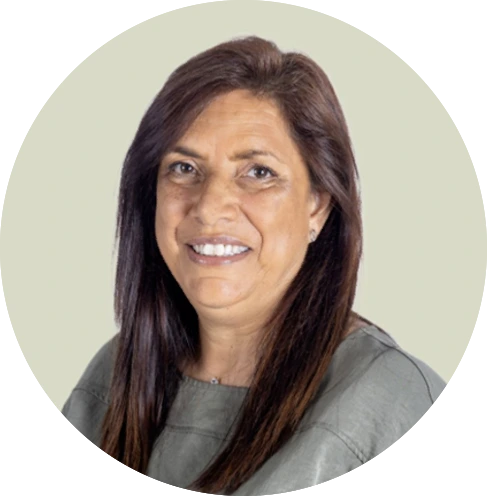
Rosária Carvalho
Geography Teacher and Project Coordinator
Georgia Giannakopoulou
School Principle, Coordinator of Erasmus+ programmes
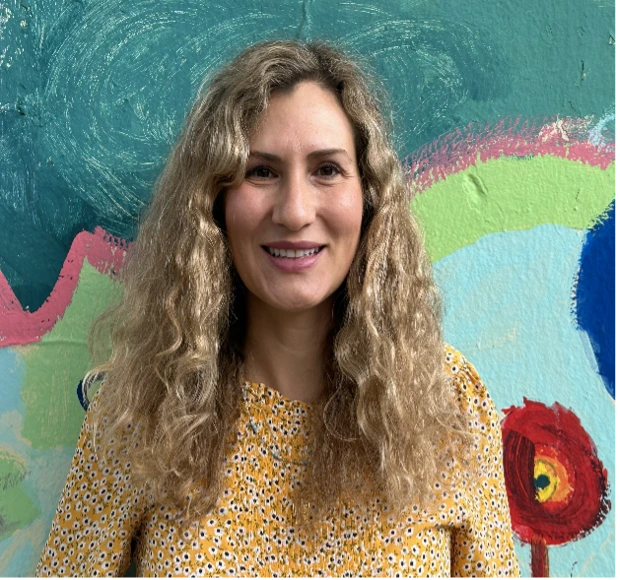
Christina Saiti
Special Educational Needs teacher
Janne Salmela
Директор школы
Farczádi-Bencze Tamás
Headteacher
Dávid Mészáros
Teacher
Ildikó Orbán
Deputy Headteacher
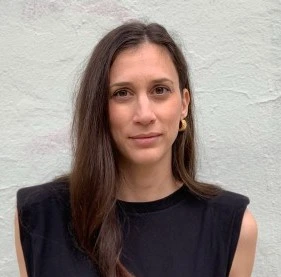
Eirini Papageorgiou
Social Worker
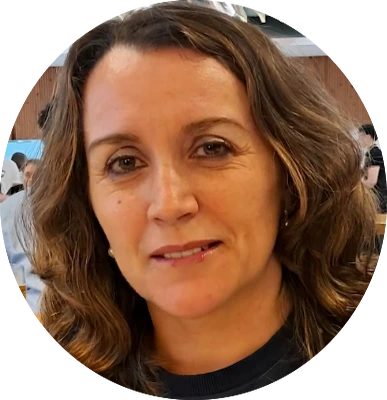
Celina Silva
English Teacher and and President of the General Council
In memoriam Vivien Gyuris
1975-2025
This is a celebration and commemoration of our team member Vivien who is no longer with us.
Vivien was the driving force behind this project. Without her, there would be no Inclusion Stories. Sadly, we lost her to a serious illness just before we started to collect our stories. Vivien had extensive experience in working internationally on inclusion matters. She had worked with the World Bank, the European Council on Roma inclusion, UNICEF on digital inclusion and countless other projects where her sharp intellect was an asset to the development of inclusion in different areas. She was studying to attain a PhD in inclusive education with a special interest in inclusion in our era of migration.
We worked together in an Erasmus project (The Emergence of the IFIP Europe) and quickly found common ground both personally and professionally. The idea for Inclusion Stories from the Classroom came about when we were discussing what it takes to make real change happen. Teacher training often starts with a concept or methods that are taught to teachers. There is nothing wrong with that, but we could both see stable outcomes when we start with what teachers already do as a springboard for reflection and change. What if we could gather inclusion stories, stories of how teachers and schools have worked to make change happen, and reflect on them from more perspectives? We knew from both studies and experience that there are ways we can learn from those challenging situations when everything looks like a new problem but is in fact a variation on a theme.
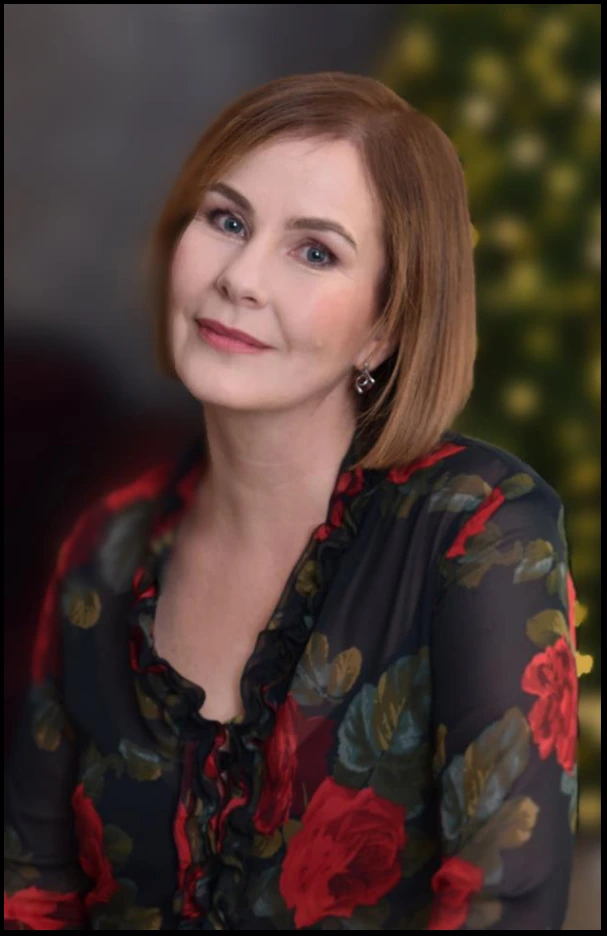
Vivien Gyuris
`We also discussed how we keep hearing anecdotes and stories of real inclusion experiences both from practitioners and students and parents. What if we could harness those stories and try out a way to use them for learning both in the school and in other schools? What if we could use the stories, not one by one, but as a collection of stories that together tell a bigger story about inclusion, specifically inclusion in Europe?
Vivien drafted a project plan and we were excited to work on it, adjust it, find suitable methods and refine it to apply for funding.
The consortium was a comfort, a tight knit group of inclusionists who all knew Vivien and wanted to carry on her vision. We set to work with energy and resolve. This is a project we all believe in, we could all see the potential from the start even if things weren’t completely clear from the get go.
It is sad to not be able to share the work that is being done in this project with Vivien. However, there is comfort in knowing that she would have loved the reflections that are taking place, the stories that are being shaped and the deepening insights.
This is for you, Vivi, it would not have come to life without you.
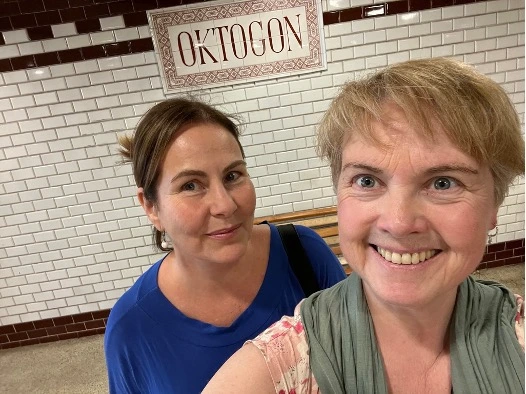
Vivien Gyuris with Project Founder Helena Wallberg