Resources
Resources
The 'Resources' page offers practical tools, guides, and educational materials that complement our powerful inclusion stories methodologies. This section provides further support and actionable steps, empowering you to foster more diverse and equitable environments within your own community.
Relational Model
In the Relational Model, difficulties do not exist only within the individual. They emerge in the interaction between the individual and the environment.
Reflection Helpsheet
A teacher resource to support adopting reflection as a tool for professional development. This can be downloaded and shared.
Liston to Richard Ingram's 'Goal 4' Podcast
Listen to LISTEN NOW to Richard Ingram's latest Goal 4 Podcast interview with Helena Wallberg, Simona D'Alessio, and James Blomfield of the Inclusion Stories Project. 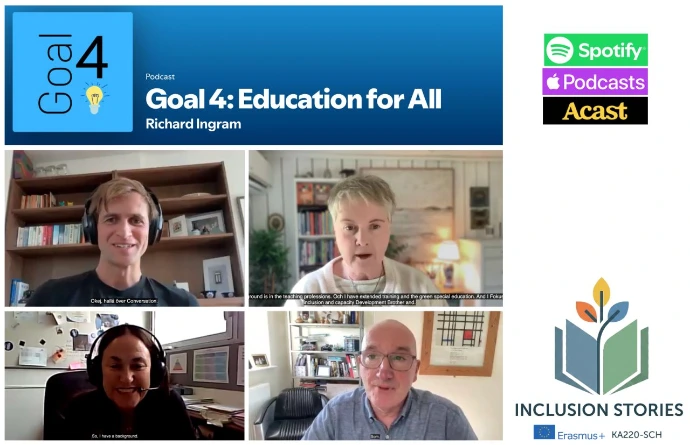
Spotify 👈🏻
Apple 👈🏻
Acast 👈🏻
We talk about:
🔄 The power of Meta-Reflection: How using structured reflection and the Most Significant Change methodology in the classroom allows educators to make the invisible visible, and why a single classroom shift creates an institutional ripple effect.
🧩 The Relational Model (Beyond fixing the kid) Difficulties do not exist only within the individual. They emerge in the interaction between the individual and the environment.
💭 If you work in education, school leadership, or policy—or simply care about what the future of learning must look like—this episode offers plenty to think about.
Most Significant Change Methodology
The most significant change (MSC) technique is a form of participatory monitoring and evaluation that the Inclusion Stories Erasmus Project has used.
Voices and Storytelling
The OECD’s Education 2025 initiative emphasises the importance of storytelling in shaping future education by collecting narratives from teachers worldwide.
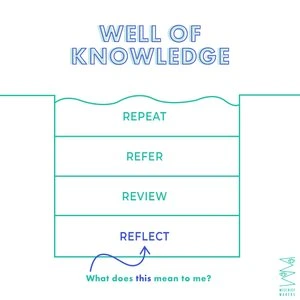
Power of reflection: the well of knowledge
Reflective thinking, as described by John Maxwell in the book “How successful people think” help you better understand the future by looking at the past.